
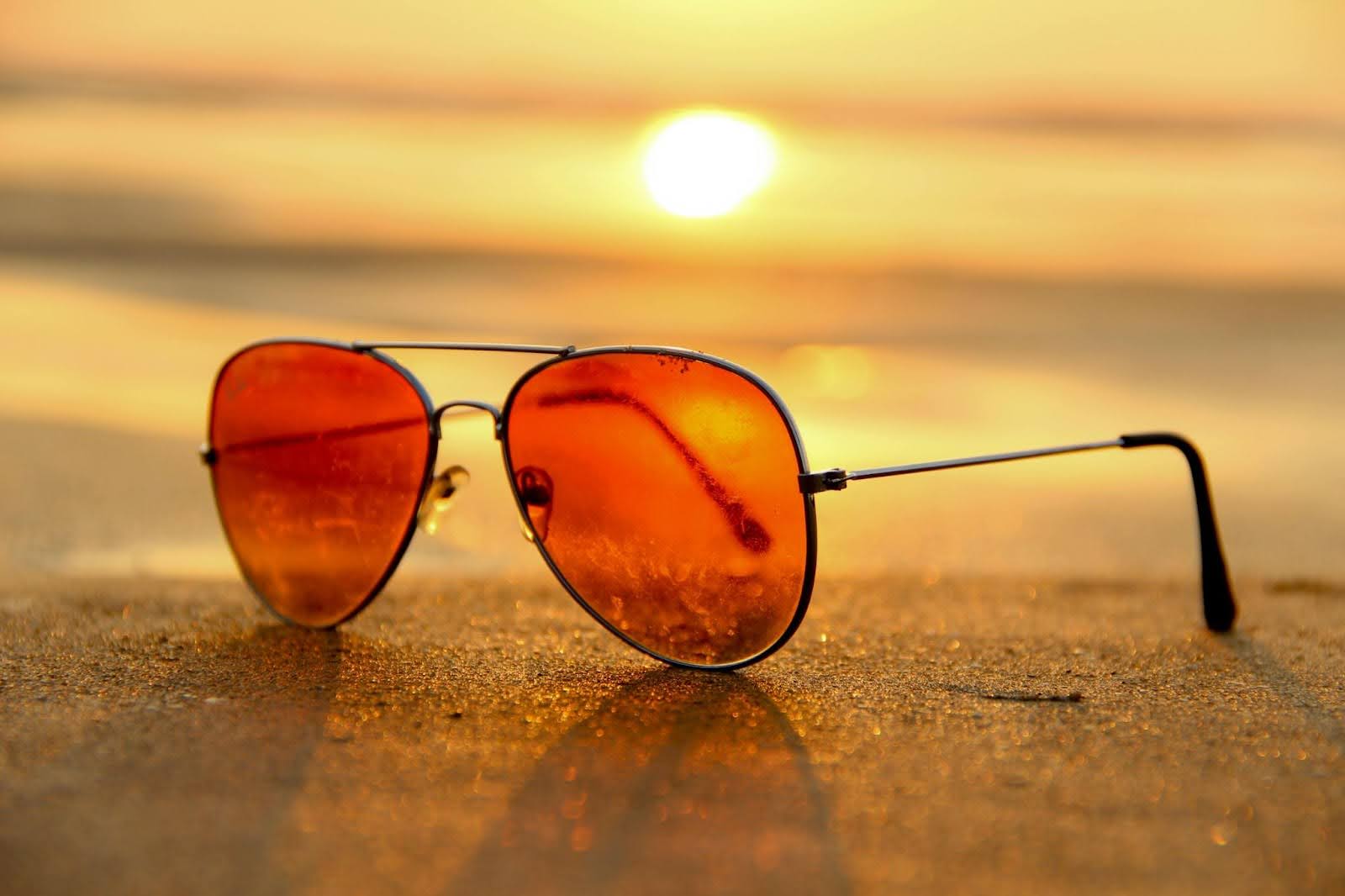
How to clean your sunglasses (The best way)
You're at the beach when you notice your sunglasses are covered in smudges, sunscreen, and maybe a little sand. Your first instinct might be to wipe them on your shirt and get back to the fun. Don’t do it. That shirt wipe can scratch your lenses, damage protective coatings, and make your view hazy.
Instead, clean your sunglasses the right way. It only takes five minutes, some lukewarm water, mild dish soap, a gentle touch, and a microfiber cloth. We'll show you the safest, most effective way to clean your sunglasses without causing damage. Plus, learn what NOT to do and how to care for your shades so they don’t need to be cleaned as often.
SwimZip makes high-quality UPF 50+ swimwear and UV400 sunglasses for men, women, and children of all ages.
What you'll need to clean sunglasses
Before you start, gather these simple supplies:
-
Lukewarm water (not hot)
-
Mild dish soap (lotion-free)
-
Microfiber cloth (clean and lint-free)
-
Lens-safe spray cleaner (optional) for quick touch-ups on the go
No fancy products needed. Avoid lotions, moisturizers, or harsh chemicals.
What's the best way to clean your sunglasses?
Now that you’ve got the right supplies, let’s clean. The following method safely removes dirt, oils, and smudges without scratching lenses or stripping protective coatings.
Step 1: Wash and dry your hands
Start with clean hands. Otherwise, you'll just transfer dirt and oils from your fingers onto your lenses.
Use soap, then dry your hands with a lint-free towel. Wet fingers can also leave streaks, so make sure they're completely dry.
Step 2: Rinse sunglasses with lukewarm water
Hold your sunglasses under lukewarm running water. The water washes away loose dust, sand, and debris that could scratch your lenses if you wipe them dry.
Rinse both sides of the lenses, frames, and nose pad. Make sure the water isn't too hot; high temperatures can damage lens coatings (especially on polarized sunglasses).
Step 3: Apply a drop of dish soap and gently rub
Put one drop of mild dish soap on each lens. Using your fingertips, gently rub the soap around both sides of the lenses in a circular motion. Avoid using your nails, since they can scratch the lens.
Work the soap into the frames, temples, and nose pads. These areas collect oils, sweat, sunscreen, and bacteria.
Step 4: Rinse
Run your sunglasses under lukewarm water until all the soap is gone. Leftover residue will dry into streaks, so rinse for at least a minute.
Check the hinges and nose pads to make sure no suds are hiding there.
Step 5: Dry with a microfiber cloth
Gently pat your sunglasses dry with a clean microfiber cloth. Avoid aggressive rubbing; you want to lift moisture, not grind it around.
Hold your sunglasses to the light and check for remaining spots or streaks. If you see any, give them another quick wipe.
☀️ See our kids’ sunglasses collection for UPF-rated eyewear that resists the grit and grime of active play.
How to clean very dirty sunglasses

If your sunglasses have been through a day at the beach, a sweaty hike, or have been coated in sunscreen, they’ll need some extra attention. Here's how to handle stubborn grime:
-
Give the sunglasses an extra rinse. Let lukewarm water run over your lenses for 30–60 seconds to loosen baked-on residue before applying soap.
-
Let the soap sit. After applying dish soap, let it sit on the lenses for about 30 seconds before rubbing. This helps break down oils and sticky substances, like sunscreen or makeup.
-
Use a soft brush for frames. A soft-bristle toothbrush digs in deep around hinges, nose pads, and other crevices where grime builds up. Be gentle and keep the bristles away from the lenses.
-
Try multiple rinse cycles. If your sunglasses are still grimy after one wash, repeat the soap-and-rinse process.
If your nose pads are discolored or there's grime you can't remove, take your sunglasses to an optical shop. Many have ultrasonic cleaners that can deep-clean your frames without damage.
How to clean sunglasses on the go
Smudges don’t wait for you to be at home with a sink and supplies. Here's how to clean your sunglasses when you're out and about:
-
Carry a microfiber cloth. Keep a small cleaning cloth in your sunglasses case, car, or bag. It's the quickest way to remove light smudges without causing scratches.
-
Use pre-moistened lens wipes. Look for alcohol-free, lens-safe wipes for eyewear; regular disinfecting wipes can damage coatings.
-
Pack a travel-size spray. A small bottle of lens-safe cleaner plus a microfiber cloth gives you a portable cleaning kit that works almost as well as soap and water.
Beach and pool tip: After swimming, rinse your sunglasses with fresh water as soon as possible. Saltwater and chlorine leave residue that damages lenses and corrodes metal frames.
What NOT to do when cleaning sunglasses
Certain materials and products cause more harm than good. Avoid these common mistakes:
Never use these materials
-
Your shirt, clothing, or any fabric: Even soft cotton can scratch lenses if there's any dust or debris on the fabric. It's convenient, but it's also the fastest way to damage your sunglasses.
-
Paper towels, tissues, or napkins: Paper products have rough fibers that scratch lenses. They also deposit lint.
-
Saliva: It's unsanitary, ineffective, and won't actually clean your lenses.
Avoid these cleaning products
-
Household glass cleaners: Products like Windex contain ammonia, which breaks down protective coatings on sunglasses lenses.
-
Alcohol-based wipes: Rubbing alcohol and alcohol wipes can strip anti-reflective coatings, UV protection, and polarized lens treatments.
-
Products with acetone or harsh solvents: These chemicals can cloud or crack lenses, especially plastic ones.
-
Hot water: Stick with lukewarm water. Hot water can warp frames and damage lens coatings.
-
Soaps with lotion or moisturizers: These leave a filmy residue on lenses that attracts more dirt.
Don't try to buff out deep scratches
You can fix some sunglasses' scratches depending on their severity and the lens material. But many DIY techniques cause more damage. Deep scratches require professional help or signal that it’s time to replace your sunglasses.
How to clean polarized sunglasses
You can clean polarized lenses the same way as regular lenses. Since polarized coatings are more delicate than standard lenses, avoid alcohol, ammonia, or harsh cleaners.
How to clean mirrored or coated lenses
Mirrored sunglasses have special lens coatings (like anti-reflective or blue light blocking) and require gentle care. Follow the manufacturer's care instructions, as some coatings have specific requirements.
When in doubt, stick with the soap-and-water method. It's the safest approach for any type of lens.
Sunglasses storage
-
Always use a protective case. Hard cases offer the best protection. When you're not wearing your sunglasses, put them away to protect against dust and accidental damage.
-
Never place sunglasses face down on tables, counters, or car dashboards. Always set them down with the lenses facing up, or better yet, back in their case.
-
Don't leave your sunglasses in hot cars, on dashboards, or in direct sunlight for extended periods. Heat can warp frames and damage lens coatings.
Microfiber cloth care
Your cleaning cloth also gets dirty. Here's how to keep it effective:
-
Wash regularly. Toss your microfiber cloth in the washing machine with mild detergent every week or two. Dirty cloths spread grime around instead of cleaning.
-
Skip fabric softener. Fabric softener and dryer sheets leave a waxy residue on microfiber that transfers to your lenses.
-
Replace when needed. If your cloth looks worn, linty, or doesn't clean as well as it used to, get a new one.
How often do I need to clean sunglasses?
If you wear your sunglasses every day, give them a quick clean each evening. It only takes a minute and prevents buildup.
Rinse and clean your sunglasses after swimming, whether in pools, lakes, or the ocean. Chlorine, salt, and minerals corrode frames and cloud lenses.
Don't let smudges sit. The longer dirt and oils stay on lenses, the harder they are to remove (and the more likely they are to cause permanent damage).
Protect your eyes and your gear with SwimZip

Now that your sunglasses are spotless, make sure the rest of your sun protection is up to par. Pair your sunglasses with UPF 50+ swimwear that blocks 98% of harmful UV rays. SwimZip's sun-protective clothing holds the Skin Cancer Foundation Seal of Recommendation, meaning it meets the highest standards for UV protection.
🏊♀️ Ready for sun-safe summer fun? Shop kids’ sun-protective swimwear, women's sun-protective swimwear, and men's sun-protective swimwear for fun, stylish, all-day UV protection.
Sunglasses FAQ
How do you clean sunglasses frames, nose pads, and hinges?
Clean frames the same way you clean lenses: apply soapy water and rub gently with your fingertips, and pay extra attention to nose pads where oils and sunscreen build up. For stubborn grime in hinges, use a soft-bristle brush or cotton swab dipped in soapy water, then rinse thoroughly. If the buildup won't come off, visit an optical shop for professional ultrasonic cleaning.
Can I use alcohol wipes to clean my sunglasses?
No. Alcohol wipes can damage anti-reflective coatings, UV protection, and polarized treatments. Stick with alcohol-free lens wipes, or use mild soap and water.
Can I clean sunglasses with soap?
Yes. Mild dish soap without lotion or moisturizers gently and effectively cleans sunglasses. Use one drop per lens, rub gently with your fingertips, rinse thoroughly, and dry with a microfiber cloth.
Does 70% rubbing alcohol clean glass?
While rubbing alcohol cleans bare glass, it damages sunglass lens coatings, like polarization, anti-reflective treatments, and UV protection. Never use rubbing alcohol on sunglasses; use soap and water instead.
How do I remove stubborn sunscreen or makeup?
Apply a drop of mild soap to the affected area and let it sit for 30–60 seconds before rubbing. The soap will break down oils and sticky substances. Rinse thoroughly with lukewarm water and dry with a microfiber cloth.
Do you clean prescription sunglasses differently?
No. Clean prescription sunglasses the same way as regular sunglasses.
Can frequent washing damage sunglasses?
No. Gentle cleaning techniques won't damage sunglasses. Regular cleaning prevents dirt from baking onto lenses, which protects coatings and extends the life of your sunglasses.
Further reading
Polarized vs UV protection sunglasses
Best sunglasses for eye health


Leave a comment
This site is protected by hCaptcha and the hCaptcha Privacy Policy and Terms of Service apply.