
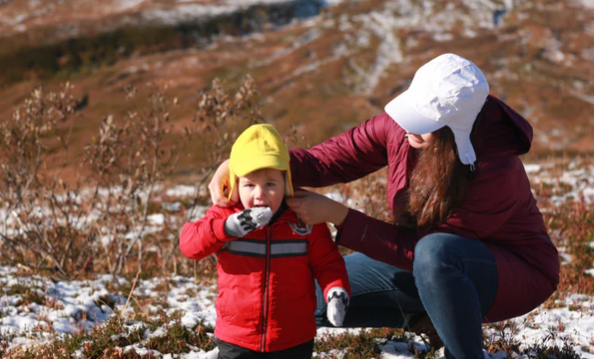
Should you wear sun protection during winter?
You should wear sun protection during winter in the form of UPF clothing and SPF on areas that aren’t covered by clothes. Learn about why sun protection matters during winter and why UPF clothing is a more reliable choice.
SwimZip sells UPF 50+ adult winter hats that protect you against harsh UV rays, cold weather, and winter wind.
Why you need sun protection during winter
Did you know that UV intensity increases about 10 percent for every 1,000 feet of elevation gain? The Skin Cancer Foundation reports that cumulative sun exposure over your lifetime contributes to skin cancer risk, and every unprotected winter day adds to that total.
UV rays don't take a vacation when temperatures drop. UVA rays, which cause aging and skin damage, remain constant throughout the year. UVB rays, which cause sunburn, are slightly weaker in winter, but they're still present and harmful. Snow makes this worse by reflecting up to 80% of UV radiation.
You’re essentially getting two suns worth of light. To avoid the damage, protect your skin with UPF clothing and put on sunscreen on all exposed areas.
Why is sun-protective clothing better than sunscreen in winter?
Sunscreen requires reapplication every two hours, which is challenging in cold weather. You'd need to remove gloves, apply lotion to freezing skin, and wait for it to absorb. Sun-protective fabrics provide constant UPF 50+ protection without reapplication.
Winter conditions also make sunscreen less effective. Cold, dry air causes skin to crack and flake, which creates coverage gaps. And prolonged wind can damage or remove the outer skin layer and the sunscreen that’s on it. Sun-protective clothing creates a physical barrier between your skin and UV rays, which solves these problems.
Your face takes the brunt of both UV radiation and harsh winter weather. Sunglasses and wide-brim hats protect delicate facial skin that's always exposed to winter elements.
☀️ Read about the differences between SPF and UPF.
Winter sun-protective gear everyone should have
Winter hats with UPF protection
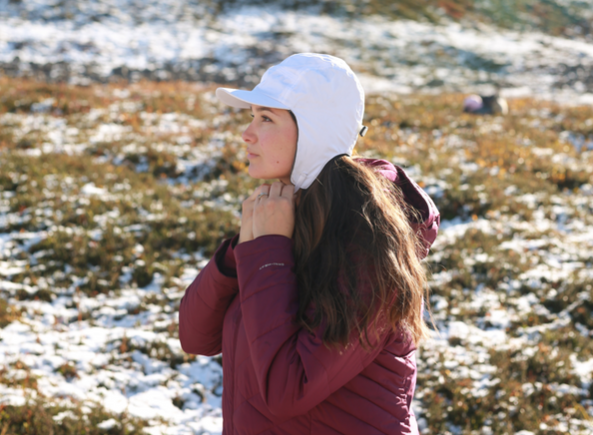
A good winter hat keeps you warm and protects your skin from UV rays. Look for UPF fabric hats with brims or ear flaps that provide more coverage. Some winter hats have adjustable ear flaps that you can fold up when it's warmer or down when temperatures drop.
❄️ Our Arctic Chill winter convertible hats include fleece-lined, foldable ear flaps and UPF 50+ fabric. The wind and water-repellent shell blocks weather and UV rays while you're shoveling snow or skiing.
For kids, look for hats that are comfortable enough to wear all day. Children won't keep protection on if it's itchy or annoying.
🌈 Our Tundra ear flap fleece winter wide-brim hat comes in colors like rainbow and frosted pink that appeal to kids. The wide brim shades their face during outdoor play.
Baseball caps work for milder winter days but don't cover your ears or neck. If you wear a cap-style hat in winter, add a scarf or neck gaiter to protect exposed skin. Adjustable UPF baseball hats fit under ski helmets or work alone on sunny winter walks.

Winter-appropriate sunglasses
Winter sun can damage your eyes just like summer sun. Snow reflects UV rays into your eyes, which can cause snow blindness after just a few hours without protection.
Winter sunglasses should block 100% of UVA and UVB rays. Check the label to make sure, as not all sunglasses provide this protection. Dark lenses without UV blocking make your pupils dilate more, so they actually let more harmful rays into your eyes.
Polarized lenses reduce glare from snow and ice. This makes winter activities more comfortable and safer by helping you spot icy patches and terrain changes. Look for sunglasses that fit securely so they don't slide around during activities.
😎 Kids need sunglasses that stay on during active play. Look for kids’ sunglasses with adjustable straps or flexible frames designed for smaller faces.
Neck gaiters and balaclavas
Your neck and lower face get direct sun exposure during winter activities, but people often forget to protect these areas.
Neck gaiters made from UPF-rated fabric block wind and UV rays. Choose materials that wick moisture so they don't get wet from your breath. A good gaiter covers your chin to your collarbone.
Balaclavas cover your entire head except for your eyes or face. These protect you from extreme cold or high-altitude UV rays. Look for breathable fabrics that won't make you overheat during skiing or snowboarding.
Sun-protective base layers
Base layers are the clothing that sits against your skin under your winter coat and pants. These pieces should manage moisture and provide UV protection.
Heavy-weight cotton and technical materials, such as the material our long-sleeve rash guards are made of, work well as winter base layers. The technical nylon and spandex mix wicks sweat away from your body while blocking UV rays. This keeps you drier and more comfortable than cotton shirts, which trap moisture. The fitted design doesn't bunch up under bulky winter clothing.

Sun-protective leggings and pants
Your legs need sun protection during long winter activities. Sun-protective leggings can be worn alone on milder days or as base layers under snow pants when it's very cold. They're made from moisture-wicking fabric that keeps you dry when you sweat.
Choose pants with flat seams to prevent irritation when layering. Elastic waistbands should be comfortable but secure enough to stay in place during active movement.
Gloves with sun protection
Look for winter gloves made with UPF-rated materials on the back of the hand where sun exposure is highest. Some gloves have touchscreen-compatible fingertips so you can use your phone without removing them.
SwimZip sun protective hats for winter
We design every SwimZip hat with UPF 50+ fabric that blocks harmful UV rays. This protection is woven into the fabric itself, so it won't wash out or fade.
Our products carry the Skin Cancer Foundation's Seal of Recommendation for our strict standards for UV protection. The quick-dry, moisture-wicking fabrics prevent that uncomfortable, sweaty-then-cold feeling when you're active in the cold.
❄️ Explore our winter sun hats collection for styles that keep your whole family protected and comfortable all winter long.
Winter sun protection FAQ
Does cloudy winter weather reduce UV exposure?
Up to 80% of UV rays penetrate cloud cover, so you can still get sun damage on overcast winter days. This is why many people get unexpected sunburns while skiing or playing in the snow under gray skies; they assume clouds equal safety. Always wear sun protection regardless of cloud coverage.
Can you get sunburned through car windows in winter?
Yes, but only from UVA rays. Car windshields block most UVB rays (which cause burning), but side and rear windows allow UVA rays through. Long winter drives still expose you to significant UV radiation.
Do darker skin tones need winter sun protection?
Melanin provides some natural UV protection (roughly SPF 13 for very dark skin), but it's not enough to prevent all sun damage. People with darker skin can still develop skin cancer, and it's often detected later because of the misconception that they're immune to sun damage. Everyone needs sun protection year-round, regardless of skin tone.
How does wind chill affect sun protection needs?
Wind chill makes winter days feel colder but doesn't reduce UV exposure. In fact, wind can increase sun damage risk by drying out your skin's protective barrier, so it becomes more vulnerable to UV penetration. Wind also removes sunscreen quickly, which is another reason why sun-protective clothing is better than lotions in winter conditions.
Does water reflect UV rays?
Water reflects about 10–20% of UV rays, and when combined with snow in surrounding areas, you face UV radiation from multiple angles. Winter beach walks or lakeside activities still require full sun protection, even though temperatures are cold.
How long does UPF protection last in clothing?
UPF protection in quality sun-protective clothing lasts the lifetime of the garment when properly cared for. Unlike sunscreen or chemical treatments that can wash out, tightly woven UPF fabrics maintain their protection as long as the garment is intact. This makes them far more economical and reliable than repeatedly purchasing sunscreen.
Further reading
What are the best winter hats for men?
What types of winter hats exist?


Leave a comment
This site is protected by hCaptcha and the hCaptcha Privacy Policy and Terms of Service apply.